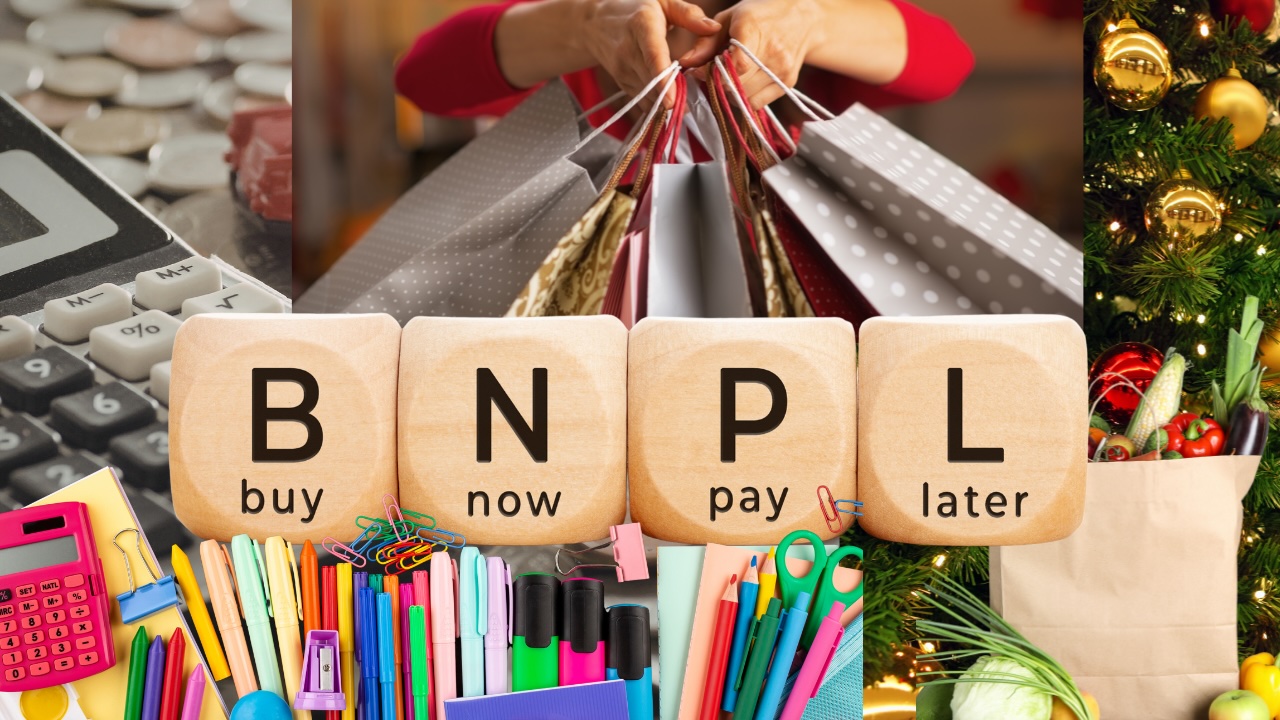
Financial strain can happen at any time of year, but it is particularly noticeable after the holiday season. The Christmas and holiday period in Australia can be challenging. As a way to manage tight finances, Buy Now, Pay Later (BNPL) services can be a way that is used to manage financial and budgeting pressures.
What is Buy Now, Pay Later (BNPL)?
Buy Now, Pay Later (BNPL) is a short-term, often interest-free, financing option that allows consumers to purchase products immediately and pay for them over several equal, interest-free installments, typically fortnightly. Popular services like Afterpay, Zip, and Klarna make this possible at checkout, frequently for retail, fashion and technology items. BNPL has become an alternative to other forms of credit that can be easier to access and have low or no interest terms. However, with this potential to be easier to access, it still requires an ability to pay it back within a set time frame. If this is not possible, then there are consequences and other details that are important to know.
BNPL have become incredibly popular in Australia and it is easy to see why. There can be pressure to cover gifts, celebrations and other end-of-year expenses. If you don’t have money readily available, people turn to different credit options such as credit cards, pay day loans and BNPL. BNPL can help to spread costs and ease short-term cash flow.
While BNPL can feel like a convenient solution, and can work for some, it often creates longer-term problems that can be easy to underestimate.
What can exacerbate the problem is when the festive season is followed closely by other significant costs that occur before individual’s budgets have had time to recover from the holiday season expenses. With things like back-to-school costs, uniforms, books, technology, excursions and fees, the financial strain can quickly escalate. If these expenses were not budgeted for, or quite simply haven’t been able to be budgeted for; BNPL repayments can collide with everyday bills and new school-related costs, increasing the risk of financial stress and unmanageable debt.
The Risks of BNPL
Here’s why BNPL can be an issue and most importantly, below we’ll share how to get support if you’re struggling with BNPL.
1. “Interest-Free” Doesn’t Always Mean Cost-Free
While BNPL plans often advertise no interest, that doesn’t mean there are no costs at all.
If a payment is missed or late, companies typically charge late fees. These can add up fast. Sometimes these costs can exceed the value of the original purchase.
2. Multiple BNPL Plans = Multiple Debts
It’s easy to sign up for more than one BNPL plan with different providers.
But each plan is a separate commitment. If you’re juggling several of them at once, payments can become difficult to track. Before you know it, small amounts add up into a larger, stressful debt burden.
3. Missed Payments Can Hurt Your Credit Score
Many people assume BNPL isn’t reported to credit agencies. It’s important to be aware that missed or late payments can be reported and can affect your credit file. An affected credit score can make it harder to:
- Mobile phone plans
- Rent a place
- Get a home loan
- access other types of credit
4. Confusing Terms Can Trap You in Debt
Terms and conditions for BNPL are often long, complex, and buried in small print. It’s not always clear when fees kick in, how repayment timelines work, or what happens if you miss a payment. This confusion can lead to unexpected debt stress.
Feeling Overwhelmed? Help Is Available
The reality is that BNPL can quickly turn from a helpful tool into a financial trap for many people. The challenge can be finding ways to get out of the debt spiral, once you are caught in it. With this in mind that since 10 June 2025 there have been stronger regulations in place to help those who use BNPL.
New BNPL Regulations from 10 June 2025: What They Mean for You
From 10 June 2025, BNPL services in Australia are now regulated under stronger consumer credit laws. That means BNPL is no longer a lightly regulated payment option, it’s treated more like traditional credit such as personal loans and credit cards under the National Consumer Credit Protection Act 2009.
These changes were introduced to better protect people who use BNPL products and to help reduce the risk of harm from unmanageable debt and unclear contract terms. Some of the key improvements include:
Stronger Consumer Protection
BNPL providers must now hold an Australian credit licence, which brings them under the oversight of the Australian Securities and Investments Commission (ASIC). This means providers are held to clear standards and rules designed to protect customers.
Responsible Lending and Affordability Checks
Providers must conduct assessments before offering BNPL contracts — including asking reasonable questions about your financial situation and checking your ability to repay, especially for higher-value plans. This helps ensure you don’t take on debt you can’t afford.
Clearer Information and Transparency
BNPL companies are now required to provide clear information about how repayments work, when they’re due, and any fees that may apply. This makes it easier for you to compare products and understand your obligations before signing up.
Access to Free Dispute Resolution
BNPL providers must be members of the Australian Financial Complaints Authority (AFCA), giving you access to a free and independent dispute resolution service if something goes wrong.
Financial Hardship Support
If you’re struggling to make payments, the new rules mean you have the right to ask your BNPL provider for financial hardship assistance and they must respond within a set timeframe. This gives you more protection and time to work through difficulties without immediate penalties.
Caps and Limits on Fees
Under the updated laws, BNPL fee structures now include caps on how much providers can charge in default and other fees, helping limit how costly a missed payment can become.
How These Regulations Help You
These reforms are designed to balance convenience with protection, retaining the benefits of interest-free, flexible payments for everyday purchases while reducing the risk that people end up in financial difficulty they weren’t prepared for.
They aim to make BNPL products more transparent, fairer, and easier to navigate, especially important if you’re managing multiple costs like holiday expenses, back-to-school spending on top of your every day essentials and bills.
The Financial Rights Legal Centre has a BNPL useful facts sheet that can help you if you’re looking to learn more about BNPL.
If you’re finding it tough to manage BNPL repayments by yourself, or you’re struggling with debt more broadly, it’s okay to reach out for support. In fact, this is why financial counsellors exist.
Financial counsellors are trained to help people in all sorts of money difficulties. They can help you:
– review your income and expenses
– help you understand your debts
– talk you through your debt options
– help you to navigate the challenge of budgeting and creating affordable payment plans
And the best part? The financial counselling services is free, confidential, and independent.
You can contact the National Debt Helpline today on 1800 007 007 or book a time to speak with a financial counsellor via their website. The team will book you in with a financial counsellor who will work with you to understand your options and take control of your finances.