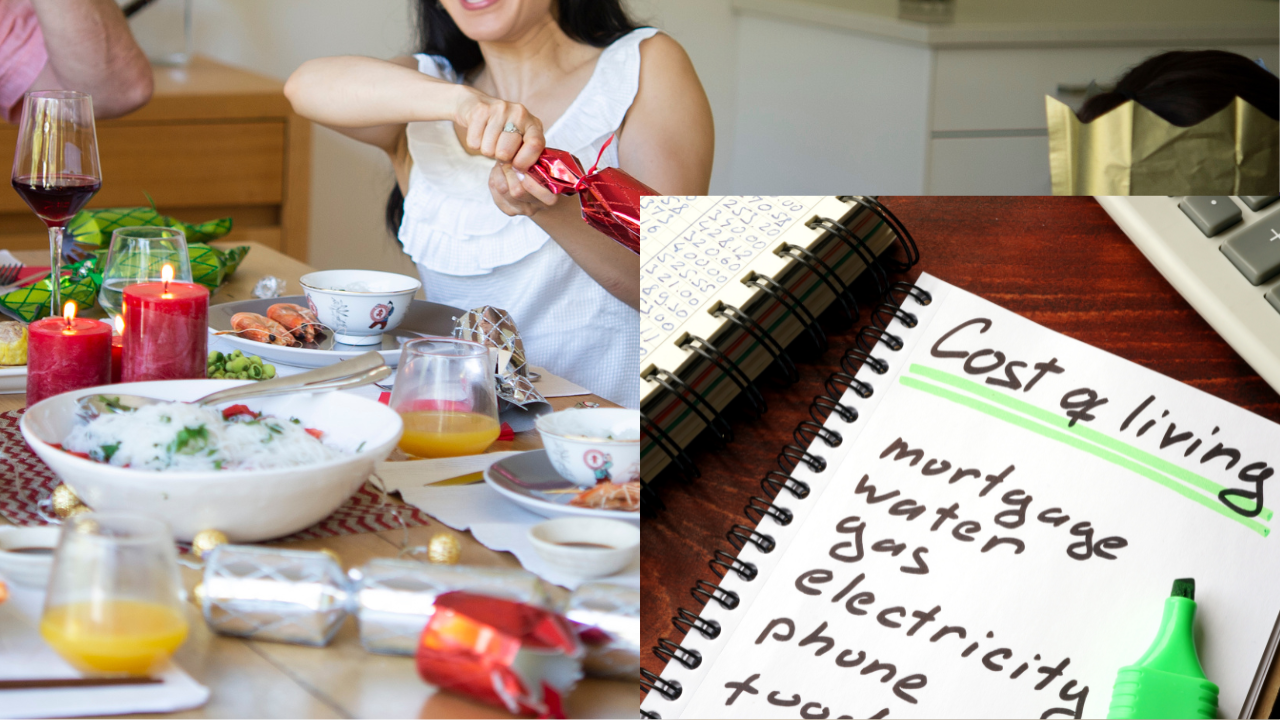
For many people, the holiday season is associated with joy, family, celebrations, and generosity. But for others it can also be a season of stress and financial hardship. It can be an anxiety inducing time. Gift-giving, holiday meals and celebrations, travel, and extra expenses, all add up; all while everyday bills and cost-of-living pressures keep rising.
Recent reports show Australians are feeling the squeeze: households are scaling back their festive spending, with many planning to spend less than previous years.
Calls to the National Debt Helpline typically spike around the holiday season, as people are struggling to manage their mortgage and bills as well as the extra costs associated with social gatherings, gift giving and interruptions in income due to workplace shut downs.
That’s why the holiday season can be a double-edged sword: a time for care and community but also a time when financial hardship can deepen without planning and support.
Practical Ways to Ease the Load: Budgeting, Bills, Gifts and Cost of Living
Here are some practical, actionable tips to help you get through the holidays this time of year and reduce financial hardship. There’s no right or wrong way, but these ideas could help you create a more manageable and enjoyable time for you and your family;
1. Plan a Realistic Budget
- Before you do anything else, sit down and map out what you can realistically afford to spend this season: gifts, food, travel, decorations, entertainment. Break it down into categories.
- Consider setting lower spending targets this year.
- Focus on the presence of being with others rather than presents. Suggest this to friends and family and help others also to relieve the pressure of buying gifts.
- Start early. Buying gifts and groceries over time — instead of all at once — can help avoid last-minute overspending, and may allow you to take advantage of sales or discounts.
2. Prioritise Essential Bills & Needs First
- Ensure that your essential expenses — rent or mortgage, utilities, groceries, debt repayments — are your first priority. These need to be covered before any “extra” spending on gifts or celebrations.
- If bills or debts become overwhelming, it may help to seek support early: the National Debt Helpline offers free, confidential financial counselling to help you negotiate payment plans or rework debts.
3. Gift Giving Without Breaking the Bank
- Gift-giving doesn’t have to mean expensive purchases. Consider budget-friendly or heartfelt alternatives: homemade gifts, shared gifts (e.g. group gifts among friends or family), or giving experiences rather than items.
- Communicate with friends and family: it’s okay to set and share your budget limit. Many people are under pressure — being open can help reset expectations and reduce stress.
- Focus on what matters most — time together, shared meals or simple traditions — rather than expensive displays.
4. Cut Costs on Food, Celebrations, and Everyday Living
- If you plan holiday meals: check what you already have in your pantry or freezer before buying more. Doing a “cupboard clean-out” can help you use what’s already on hand.
- When buying food or holiday supplies, shop supermarkets’ sale periods, or look for discounted items. Spreading purchases over weeks may help.
- Get creative: potlucks, shared meals, cooking in bulk — and maybe turning festive meals into more relaxed, home-based celebrations — can reduce costs while keeping things special.
5. Keep an Eye on Debt and Credit — Be Wary of “Holiday Credit”
- If you’re tempted to use credit cards, buy-now-pay-later schemes, or loans to fund holiday spending — think carefully first. The advice from Australian Securities & Investments Commission (ASIC) and others is to pay with cash or debit card wherever possible. Avoid credit or BNPL if you can’t pay it back quickly.
- If you already feel overwhelmed: seek help from a financial counsellor — early action is usually much easier to manage.
If You’re Struggling — Don’t Wait to Reach Out
You don’t have to face the holiday season alone. Financial hardship looks different for differnt people. If it is already making you anxious, or you feel you might not be able to keep up with bills, debts, or day-to-day living. Contact the National Debt Helpline.
The National Debt Helpline (NDH) offers free, independent and confidential financial counselling.
- Phone: 1800 007 007 (Monday to Friday, 9:30 am — 4:30 pm).
- Live chat: available on the NDH website, 9:00 am — 8:00 pm on weekdays.
- If the immediate crisis is more than financial — for example emotional distress — you can also call Lifeline (13 11 14) for 24/7 support.
With the festive season approaching and cost-of-living pressures continuing to affect households across the country, Beyond Blue and Financial Counselling Australia have a free resource to help people manage their finances and look after their mental health.
The Money and Mental Health Toolkit includes practical tips for managing thoughts and emotions, budgeting, having conversations with banks or utility companies and finding the right support when you need it.
You can also find resources on the FCAN get help page to support you or anyone you know find it hard financially during the holiday season.
Important: NDH Holiday Closure Notice
Please note: the National Debt Helpline (NDH) service has special closure times over the 2025–2026 holiday period:
- Live chat will close from 8:00 pm Friday 19 December 2025 and re-open at 9:00 am Monday 5 January 2026.
- Phone lines will close at 4:30 pm Wednesday 24 December 2025 and re-open at 9:30 am Monday 5 January 2026.
If you face financial hardship during that period — and you need urgent help beyond what NDH can offer — or you feel overwhelmed emotionally or mentally, please consider seeking support through Lifeline on 13 11 14 or other crisis services.
A Christmas Season That Respects Your Budget and Your Wellbeing
Christmas and the holidays don’t have to mean financial strain. With a bit of planning, honest conversations with family and friends; and when needed, reaching out for extra support; it’s absolutely possible to celebrate in a way that’s affordable, meaningful and healthy that can reduce or remove financial hardship.
The holiday season is not always an easy one for everyone. If you or someone you know is having a hard time, keep these numbers handy for ease of reference to get help when needed:
Lifeline: 24/7 support 13 11 14 or visit https://www.lifeline.org.au/
Suicide Call Back Service: 24/7 support 1300 659 467 or visit https://www.suicidecallbackservice.org.au/
Kids Helpline: 24/7 support for children or young adults 1800 55 1800 or visit https://kidshelpline.com.au/ NSW Mental Health Line: For advice and connection to specialist mental health services 24/7, call 1800 011 511 or visit https://www.health.nsw.gov.au/mentalhealth/Pages/mental-health-line.aspx